Acrylic Elastomeric Roof Coating Application
A high-reflectivity, budget-conscious elastomeric coating system for roofs that drain well, applied nationwide by an independent, certified Conklin roof coating applicator.
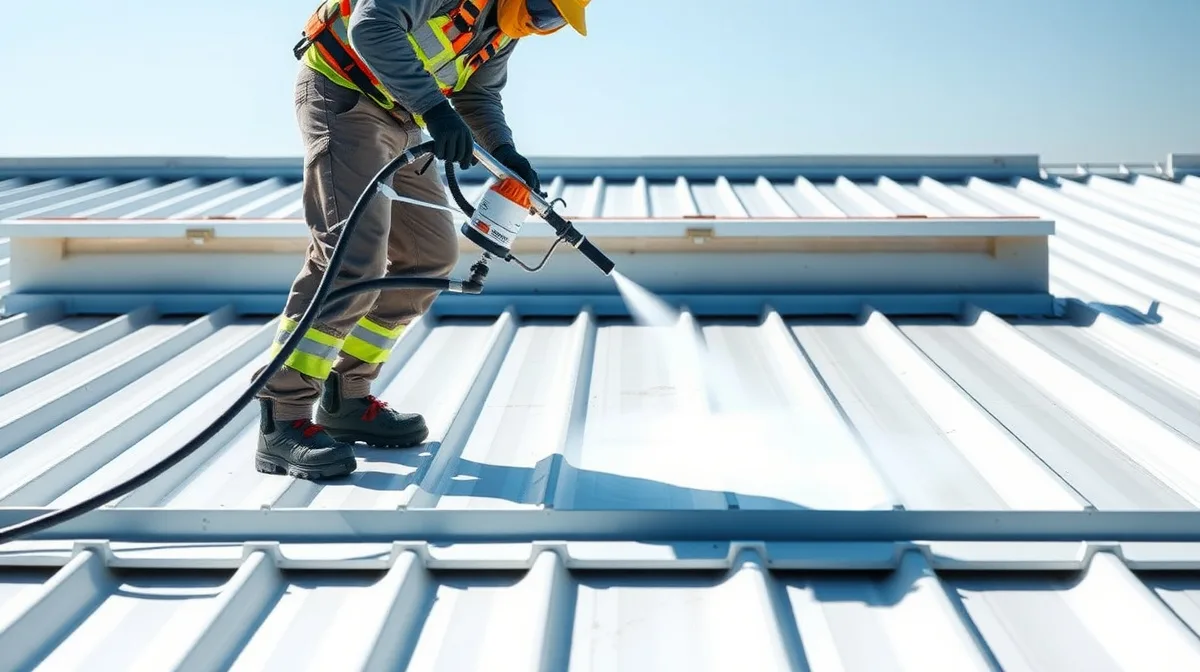
Acrylic elastomeric roof coatings are the workhorse of the restorative coating world, and for good reason: on a roof that doesn't sit under standing water for extended periods, acrylic delivers most of the performance of a silicone system at a lower installed cost per square foot. As an independent, certified applicator of Conklin-brand coating systems, we install water-based acrylic elastomeric membranes over metal roofs and over sound, well-draining single-ply and built-up roofs to restore a seamless, fully-adhered, highly reflective surface without a full tear-off. For commercial property owners weighing a restoration budget against the cost of demolition and a new roof system, acrylic is very often the number that makes the math work.
Conklin's acrylic line has been in commercial use since the 1970s and remains a proven, Energy Star-qualified option for reducing rooftop surface temperature while adding years of watertight service life to an existing roof. We are not Conklin the manufacturer — we are an authorized Conklin roof coating contractor, trained and certified to install these systems to manufacturer specification. Because acrylic coatings are applied nationwide across metal, single-ply, and BUR substrates, and because pricing and prep needs vary by roof condition, every acrylic project starts with a free, no-obligation roof inspection so property owners get project-specific numbers rather than a generic estimate. Whether you manage a single retail building or a portfolio of industrial and multifamily properties, the same certified-applicator process applies regardless of location, since we serve commercial roofs nationwide.
Why property owners choose it
- Acrylic elastomeric coatings deliver the best reflectivity-to-cost ratio of any Conklin coating system, cutting rooftop surface temperatures on light-colored membranes.
- Water-based formulation means lower material cost per square foot than silicone, making acrylic the practical choice for budget-conscious restoration projects.
- High elongation and tensile strength let the coating bridge minor hairline cracks and seams as the substrate expands and contracts with temperature swings.
- Acrylic coatings self-clean well in normal rainfall, helping the reflective white surface stay brighter and more energy-efficient over time than solvent-based alternatives.
- Application goes down as a fully-adhered, seamless membrane directly over sound metal, single-ply, or BUR roofing, avoiding the cost and disruption of a full tear-off.
- Conklin-backed material warranties are available on qualifying acrylic installations when applied by a certified applicator to manufacturer specification.
How Conklin Acrylic Coating Systems Are Applied
An acrylic elastomeric restoration starts the same way every Conklin-certified project does: a roof inspection to confirm the substrate is sound, dry, and structurally appropriate for coating rather than replacement. Once approved, our crews pressure-wash the roof surface, treat and reinforce seams and flashing detail with fabric where needed, and spot-repair any minor deficiencies before a single drop of coating goes down. Metal substrates receive a rust-inhibitive primer pass on any exposed or lightly corroded fasteners and panels ahead of the acrylic topcoat, since untreated rust will bleed through and defeat even a well-applied topcoat.
From there, the acrylic base coat and topcoat are applied by spray or roller to manufacturer-specified mil thickness, building a continuous, fully-adhered elastomeric membrane with no seams for water to find. Because acrylic is a water-based system, it requires appropriate weather conditions to cure properly — our crews schedule application around temperature and dry-time windows rather than forcing a coat down in marginal conditions. The result is a bright, reflective, seamless roof surface installed over your existing structure, not a demolished and rebuilt one, and one that's ready for a final walk-through inspection before the project is signed off.
- Roof inspection and substrate assessment
- Pressure washing and surface preparation
- Seam, flashing, and fastener detail work (fabric-reinforced where needed)
- Rust-inhibitive primer on metal substrates as required
- Base coat and topcoat application to specified mil thickness
Where Acrylic Performs Best — and Where It Doesn't
Acrylic elastomeric coatings are sacrificial: they lose mil thickness gradually over their service life, typically delivering somewhere in the 10-15 year range before a recoat is warranted, depending on climate exposure and maintenance. That tradeoff is what makes acrylic more affordable than non-sacrificial silicone systems, and on the right roof it's a very good tradeoff — metal roofs, and single-ply or BUR roofs that drain properly, are excellent acrylic candidates because the coating never has to sit submerged for long stretches between rain events.
Acrylic is not the right call, however, for roofs with a history of regular or extended ponding water. Standing water can soften and degrade a sacrificial acrylic film faster than it's designed to handle, which is exactly the scenario where we'll recommend a silicone system instead. Part of being an honest, independent certified applicator is telling a property owner when acrylic isn't the fit — our inspection process is built to catch drainage and ponding issues before a coating recommendation is made, not after, so you're not paying for a system that's mismatched to your roof's actual drainage behavior.
Reflectivity, Energy Performance, and Long-Term Value
The primary reason property owners choose acrylic is reflectivity value for the money. A properly applied white acrylic elastomeric coating reflects a significant share of solar radiation away from the roof deck, reducing rooftop surface temperature compared to a dark membrane or aged, weathered roof surface — a 'cool roof' effect that can ease cooling-system load in warmer months. Acrylic's self-cleaning behavior in normal rainfall also means the reflective surface tends to stay brighter over the coating's service life than some solvent-based alternatives, which helps preserve reflectivity performance year over year rather than letting it fade with accumulated grime.
Combined with acrylic's lower material cost relative to silicone, this makes it the most cost-effective way to add years of watertight, reflective service life to a metal, single-ply, or BUR roof that isn't fighting a ponding problem. Conklin-backed material warranties are available on qualifying acrylic installations completed by a certified applicator, and a scheduled recoat down the line — rather than another full replacement — is typically all that's needed to keep the system performing for facility managers planning a long-term capital maintenance budget.
Ideal for
- Metal roofs with sound seams and manageable rust that need a reflective, protective topcoat rather than a full replacement.
- Single-ply (TPO/EPDM/PVC) or BUR roofs that drain well and show no history of significant standing water.
- Property owners prioritizing the lowest installed cost per square foot while still gaining a seamless, reflective, elastomeric membrane.
- Buildings where reducing cooling load and rooftop surface temperature is a bigger priority than maximum ponding-water resistance.
- Facility managers who want a proven, long-track-record coating category rather than a newer or higher-cost system.
What affects the cost
Acrylic Coating questions, answered
Acrylic elastomeric systems generally land at the lower end of the typical commercial roof coating range of roughly $1.50-$6.50 per square foot, making acrylic the most budget-friendly Conklin coating category. Your exact number depends on roof size, substrate condition, and prep work — a metal roof needing rust remediation will run higher than a clean single-ply roof needing only surface prep — which is why we provide a free on-site inspection and project-specific estimate rather than a flat quote.
It comes down to ponding water. Acrylic is the more cost-effective, highly reflective choice for metal roofs and well-draining single-ply or BUR roofs, while silicone is the better fit for roofs with regular standing water since it resists degradation under ponding far better than a sacrificial acrylic film. Both are legitimate Conklin coating categories — the right one depends on your roof's drainage history, not on which is generically 'better.' We'll assess your roof's drainage during inspection and recommend the system that actually fits, and in some cases a hybrid approach with silicone at low points and acrylic elsewhere makes sense.
Acrylic is a sacrificial coating, meaning it gradually loses mil thickness over time, with a typical service life in the 10-15 year range depending on climate exposure and maintenance. A scheduled recoat at the right interval restores the protective film and can extend the roof's watertight service life well beyond the original install.
Yes — metal roofs are one of the best candidates for acrylic coating, provided any rust is treated with a rust-inhibitive primer and fastener/seam detail work is completed first. Once that prep is done, an acrylic topcoat delivers a reflective, seamless, watertight surface that stops leaks and condensation without replacing the metal panels.
Conklin-backed material warranties, including No-Dollar-Limit (NDL) terms in many cases, are available on qualifying acrylic installations completed by a certified applicator to manufacturer specification. We can walk you through warranty eligibility and terms during your free inspection — as an independent certified applicator, we install to the standard that qualifies your roof, but Conklin administers the warranty itself.
Acrylic Coating done right, by a certified applicator crew
Acrylic Coating isn't a commodity — the result depends entirely on how carefully it's prepped and applied. We assess what your roof actually needs, prep the substrate properly, and apply Conklin-brand coating systems to manufacturer specification, so the work delivers the durability and reflectivity it's supposed to. No shortcuts, no builder-grade rush.
We serve residential and commercial property owners nationwide. Every job starts with a free, no-pressure roof inspection, and every estimate is our own project pricing — never presented as official Conklin corporate pricing.
Just as important, we treat your roof like the system it is. Substrate condition, prep quality, coat count, and topcoat selection all interact, and getting one right while ignoring the others leaves durability on the table. When we scope your acrylic coating, we look at how it fits the whole roof, so the finished result performs the way it should for years to come.
Free inspection
We evaluate your roof and give you a clear, itemized estimate with no pressure.
Certified application
We prep and apply your acrylic coating to manufacturer spec — clean and on schedule.
A roof you can trust
A durable, reflective restoration and honest guidance on Conklin-backed warranty terms.
Related services
Ready for a free acrylic coating estimate?
Tell us about your roof and we'll put together a clear, no-pressure coating estimate — commercial or residential, anywhere in the country.