Silicone Roof Coating Application
Conklin silicone roof coating systems, installed by a certified applicator, are the premium answer for low-slope commercial roofs where standing water and heavy UV exposure wear out ordinary coatings early.
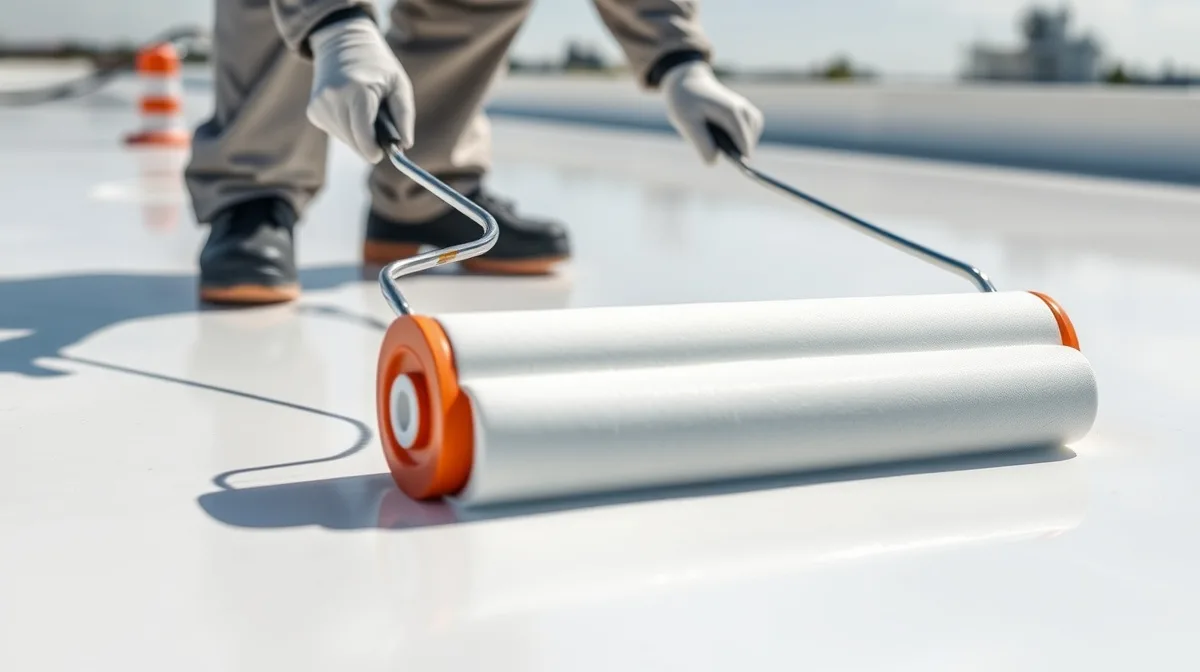
Standing water is one of the fastest ways to end a roof coating's service life, and it's exactly where most acrylic systems start to fail. As an independent, certified applicator of Conklin-brand roof coating systems, we install silicone systems on low-slope commercial roofs across the country where ponding water is a recurring condition, not an occasional nuisance. Unlike acrylic elastomerics, which are sacrificial and gradually lose mil thickness with repeated wetting, silicone coatings are non-sacrificial — they don't soften, break down, or lose adhesion when water sits on the membrane for hours or days after a storm. That single property is why silicone is the system we recommend most often for flat and low-slope roofs with inadequate drainage, parapet walls that trap runoff, or deck sag that creates permanent low spots no amount of tapered-insulation work has fully corrected. We serve commercial, industrial, retail, and multifamily properties nationwide, applying Conklin silicone systems to manufacturer specification as a Conklin-certified roof coating contractor — not as Conklin the manufacturer itself.
Beyond ponding-water resistance, silicone brings a second advantage that matters over the long haul: UV stability. Silicone resists chalking and film degradation under prolonged direct sun exposure far better than acrylic, which is why silicone-coated roofs tend to hold their reflectivity and film integrity for 20 years or more, rather than the 10-15 year window typical of acrylic systems. That said, silicone isn't the automatic right answer for every roof. It costs more per square foot than acrylic, and its surface tends to attract more airborne dirt over time because it doesn't self-clean in rainfall the way acrylic does. We walk every property owner through that tradeoff honestly during a free roof inspection: if your roof drains well and ponding isn't a factor, an acrylic system may be the better value; if standing water is a recurring reality on your roof, silicone is almost always worth the added upfront cost given how much it reduces long-term recoat and repair frequency.
Why property owners choose it
- Silicone coatings are non-sacrificial, so they resist breakdown even when water sits on the roof surface for extended periods after rain.
- UV exposure that causes acrylic coatings to chalk and thin over time has minimal effect on a properly applied silicone topcoat.
- A fully cured silicone system creates a seamless, monolithic membrane that seals seams, fasteners, and flashing details without additional patching.
- Silicone systems carry a longer service-life expectation than acrylic, often 20 years or more before a full recoat is needed.
- Granulated, walkable topcoat options are available for roofs with regular foot traffic from maintenance crews or rooftop equipment access.
- Installations follow Conklin's manufacturer specifications, which supports eligibility for Conklin-backed NDL material and labor warranties on qualifying projects.
Why Silicone Outperforms on Ponding-Water Roofs
Ponding water, meaning water that remains on a roof surface for 48 hours or longer after rainfall, is one of the most common reasons commercial roof coatings fail prematurely. Acrylic elastomeric coatings are water-based and sacrificial by design; repeated submersion softens the film and accelerates the gradual thinning that eventually exposes the substrate underneath. Silicone behaves differently. It's non-sacrificial and largely unaffected by prolonged moisture contact, which is why Conklin-certified applicators reach for it on roofs where drainage improvements alone won't solve a ponding condition. We still recommend addressing drainage where it's practical; additional roof drains, cricketing, or tapered insulation can reduce how much water collects in the first place. But on roofs where ponding is structural and unavoidable, a silicone topcoat is what keeps the coating system performing for its full rated life instead of failing years ahead of schedule.
- Non-sacrificial chemistry resists breakdown from prolonged water contact
- No loss of mil thickness from repeated wetting cycles the way acrylic experiences
- Recommended whenever ponding regularly exceeds 48 hours after a rain event
- Pairs well with drainage improvements but performs even where drainage can't be fully corrected
Single-Coat vs. Two-Coat Silicone Systems
Not every roof needs the same silicone system thickness, and matching the system to the roof's condition is part of a proper Conklin-certified inspection. A single-coat silicone application, applied at a higher mil thickness in one pass, is typically specified for roofs in good structural condition that need waterproofing and reflectivity but don't have significant existing damage to bridge. A two-coat system, a base coat followed by a topcoat and often with reinforcing fabric embedded at seams, flashings, and any distressed areas, is specified more often on older membranes, roofs with prior patch work, or substrates where extra film build and reinforcement give the system a longer margin before the next recoat is due. Both approaches are applied to Conklin's manufacturer specifications for mil thickness and cure time, and both start with the same substrate prep: cleaning, moisture testing, and repair of any wet insulation or deteriorated seams before the first coat goes down.
- Single-coat systems suit sound roofs needing waterproofing and reflectivity without major repair
- Two-coat systems add reinforcing fabric at seams and distressed areas for extra durability
- Substrate moisture testing and repair always precede coat application, regardless of system
- Mil thickness and cure time follow Conklin manufacturer specifications for warranty eligibility
Granulated and Walkable Topcoat Options
Roofs that see regular foot traffic from HVAC service crews, satellite and antenna maintenance, or facility staff performing routine inspections put extra wear on a standard smooth-finish coating over time. For those applications, we offer granulated topcoat options that embed a mineral aggregate into the silicone surface, creating a more slip-resistant, abrasion-tolerant finish along walk paths and equipment access routes. Granulated topcoats also tend to hide surface dirt better than a smooth finish, which offsets one of silicone's known drawbacks: its tendency to collect more airborne grime than acrylic over several years of exposure. We typically scope granulated coating to defined traffic lanes and equipment pads rather than the full roof field. That keeps the added material cost focused on the areas that actually need the extra wear resistance, while the rest of the roof gets the standard smooth, reflective topcoat that maximizes energy performance across the full roof surface.
Ideal for
- Low-slope commercial roofs with known ponding water that lasts more than 48 hours after rainfall.
- Roofs with parapet walls, interior drains, or structural deck sag that create permanent low spots.
- Buildings in climates with intense, sustained UV exposure where coating chalking has been a recurring problem.
- Facility managers who want to minimize recoat frequency and are comfortable with a higher upfront material cost for a longer service life.
- Roofs with regular rooftop foot traffic that would benefit from a granulated, walkable topcoat surface.
What affects the cost
Silicone Coating questions, answered
Silicone roof coating projects typically run about $3.50 to $7.00 per square foot, depending on roof condition, whether a single- or two-coat system is used, and how much substrate prep is needed. That's this applicator's typical project-cost range, not a fixed Conklin price; a free roof inspection gives you a firm number for your building.
Silicone is the better choice whenever ponding water regularly lasts more than 48 hours. It's non-sacrificial and resists breakdown from prolonged moisture contact, while acrylic can soften and thin faster under the same conditions.
It depends on your roof's condition. Sound roofs without significant damage often only need a single, higher-mil-thickness coat, while older or previously patched membranes typically call for a two-coat system with reinforcing fabric at seams and repairs.
A properly applied Conklin silicone system has a service-life potential of 20 years or more, thanks to its UV stability and resistance to chalking, though actual lifespan depends on roof condition, exposure, and ongoing maintenance.
Conklin backs qualifying silicone installations with No-Dollar-Limit material and labor warranties, typically in the 10-20 year range depending on the system specified. Certified-applicator installation to manufacturer specification is required for warranty eligibility.
Silicone Coating done right, by a certified applicator crew
Silicone Coating isn't a commodity — the result depends entirely on how carefully it's prepped and applied. We assess what your roof actually needs, prep the substrate properly, and apply Conklin-brand coating systems to manufacturer specification, so the work delivers the durability and reflectivity it's supposed to. No shortcuts, no builder-grade rush.
We serve residential and commercial property owners nationwide. Every job starts with a free, no-pressure roof inspection, and every estimate is our own project pricing — never presented as official Conklin corporate pricing.
Just as important, we treat your roof like the system it is. Substrate condition, prep quality, coat count, and topcoat selection all interact, and getting one right while ignoring the others leaves durability on the table. When we scope your silicone coating, we look at how it fits the whole roof, so the finished result performs the way it should for years to come.
Free inspection
We evaluate your roof and give you a clear, itemized estimate with no pressure.
Certified application
We prep and apply your silicone coating to manufacturer spec — clean and on schedule.
A roof you can trust
A durable, reflective restoration and honest guidance on Conklin-backed warranty terms.
Related services
Ready for a free silicone coating estimate?
Tell us about your roof and we'll put together a clear, no-pressure coating estimate — commercial or residential, anywhere in the country.