Spray Foam (SPF) Roof Recoating
Recoating the protective topcoat on an aging spray foam roof is scheduled maintenance, not new construction — and it's what keeps the whole SPF system watertight and warranty-eligible.
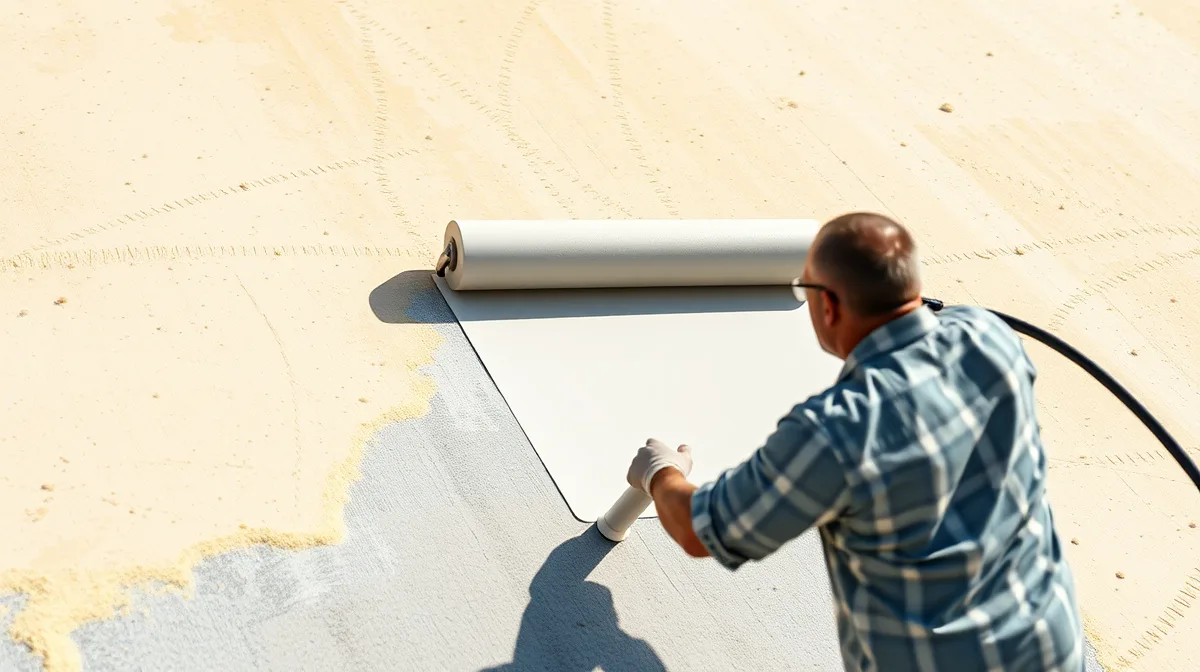
Spray polyurethane foam (SPF) roofing is a fully-adhered, seamless insulation-and-roofing system — but the foam itself is never left exposed. Every SPF roof depends on a protective elastomeric topcoat to shield the foam from ultraviolet degradation, moisture intrusion, hail, and foot-traffic wear. That topcoat is the wear layer of the system; the foam underneath, when it stays dry, can remain structurally sound and thermally effective for decades. As a Conklin-certified applicator, we install and recoat Conklin-brand elastomeric coating systems — acrylic and silicone — over existing SPF roofs nationwide, for commercial, industrial, retail, and multifamily properties. Recoating an aging SPF roof is maintenance, not new construction: instead of re-spraying foam or tearing off the roof, we assess the existing foam substrate, repair any localized wear, and apply a fresh protective topcoat to renew the waterproofing and reflectivity the system was originally installed to provide. This approach keeps a sound foam roof performing at a fraction of the cost and disruption of a full roof replacement.
Recoat cadence for SPF roofs typically runs every 10 to 20 years, depending on the coating type originally applied, sun exposure, roof traffic, and local weather severity — acrylic topcoats generally need attention sooner in that range, while silicone topcoats can extend toward the higher end. Left unaddressed, a worn topcoat exposes the foam beneath it to UV breakdown and water absorption, which is what eventually turns a simple recoat into a costlier foam repair or re-spray project. Scheduling the recoat before the topcoat fails is also what keeps a Conklin-backed material warranty active, since qualifying installations carry non-prorated, no-dollar-limit (NDL) warranty terms that are renewable through a certified-applicator maintenance recoat. We inspect the existing foam and coating condition first — every recoat project starts with an assessment, not an assumption — so property owners get a clear, honest read on whether a straightforward recoat is enough or whether isolated foam repair is needed underneath it.
Why property owners choose it
- Restores full UV and weather protection to an existing spray foam roof without the cost of a complete re-spray or tear-off.
- Supports renewal of a Conklin-backed, non-prorated NDL material warranty through a documented, certified-applicator maintenance recoat.
- Re-establishes a seamless, fully-adhered waterproof membrane across seams, flashing, and rooftop penetrations.
- Renews high-reflectivity, cool-roof performance that helps reduce rooftop surface temperature and cooling loads.
- Catches minor foam wear, chalking, or coating erosion before it turns into a costlier moisture-intrusion repair.
- Extends the serviceable life of a sound foam substrate through a scheduled maintenance cycle instead of a capital replacement project.
Why SPF Roofs Depend on Their Topcoat
Spray foam insulation is an excellent thermal and waterproofing material, but raw polyurethane foam is not designed to be left exposed to sunlight and weather on its own. Left uncoated, UV exposure breaks down the foam's outer cell structure within months, and unprotected foam absorbs water rather than shedding it. The elastomeric topcoat — acrylic or silicone, applied to Conklin specifications — is what turns sprayed foam into a finished, weatherproof, walkable roof system. It provides the UV barrier, the reflective surface, and the tough outer skin that sheds water, resists hail and foot traffic, and gives the system its rated service life. Because the topcoat is the wear layer of the assembly, it is designed to be maintained and periodically renewed over the life of the roof, while the foam substrate beneath it — if it stays dry — can remain sound and thermally effective far longer than any single coating application. That distinction is exactly why a recoat, not a full re-spray, is the right maintenance move on most aging SPF roofs.
- Foam substrate provides insulation value and a seamless, fully-adhered base
- Topcoat provides the UV, weather, and traffic-wear protection
- A failing topcoat, not necessarily failing foam, is usually what triggers a recoat
Reading the Recoat Window: Signs Your SPF Roof Needs Attention
Most SPF roofs give clear warning signs before a topcoat failure turns into a foam problem. Chalking or fading of the coating surface, thinning mil thickness, small blisters or pinholes, granule loss on aggregate-surfaced systems, and minor UV yellowing are all signals that the wear layer is nearing the end of its service interval. Ponding areas, drain zones, and high-traffic areas around rooftop equipment typically wear faster than the rest of the field and deserve extra attention during any inspection. None of these signs mean the roof needs to be torn off or re-sprayed — in most cases they mean it's time for an inspection and, in most cases, a scheduled recoat. Catching the window early keeps the project a straightforward maintenance recoat rather than a more involved repair-and-recoat job, and it's the difference between simply renewing a warranty term and having to requalify one after moisture works its way into the foam. A mil-thickness reading during inspection is the most reliable way to confirm exactly where a given roof stands in its recoat cycle.
- Surface chalking, fading, or thinning mil thickness
- Small blisters, pinholes, or granule loss
- Visible UV yellowing on aging acrylic topcoats
- Faster wear around ponding areas, drains, and rooftop equipment traffic paths
The SPF Recoat Process
Every recoat project starts with an on-roof inspection of the existing foam and coating, including a check for soft or wet foam that would need to be cut out and repaired before any new coating goes down — recoating over wet foam is never the right call, and an honest assessment upfront protects the property owner's investment. Once the substrate is confirmed sound, we clean the roof surface, address any seam, flashing, or penetration details that need attention, and apply a fresh Conklin acrylic or silicone topcoat at the mil thickness required for the coating type and warranty term selected. Where added durability or walkability is a priority, a granulated or aggregate-surfaced topcoat option is available at that stage. The finished recoat is inspected before close-out, and the project is documented to support Conklin-backed warranty renewal on qualifying installations — always administered under Conklin's own warranty terms, not set or guaranteed by our company.
- On-roof inspection and moisture/condition assessment of the existing foam
- Spot foam repair where needed before recoating
- Surface cleaning and seam/flashing/penetration detailing
- Acrylic or silicone topcoat application at required mil thickness
- Final inspection and warranty documentation
Ideal for
- SPF roofs 10 to 20 years past their original topcoat application showing chalking, fading, or UV wear.
- Property owners and facility managers who want to keep a Conklin-backed material warranty active through a documented recoat.
- Buildings where an inspection confirms the foam substrate is dry and structurally sound, even though the topcoat has worn.
- Facilities operating on a planned maintenance budget rather than a capital roof-replacement cycle.
- Roofs showing minor surface issues — small blisters, seam wear, granule loss — rather than widespread moisture intrusion.
What affects the cost
SPF Recoating questions, answered
Typical recoat cycles run every 10 to 20 years depending on the coating type originally applied, sun exposure, and roof traffic, with silicone topcoats generally extending toward the longer end of that range and acrylic topcoats needing attention sooner. Mil thickness, chalking, and granule condition are better indicators than a calendar date alone. A roof inspection is the most reliable way to confirm exactly where a specific roof stands in that window.
In most cases, yes — if the foam substrate underneath the topcoat is dry and structurally sound, a recoat renews the waterproofing and reflectivity of the system without the cost or disruption of re-spraying foam or tearing off the roof. Recoating is only appropriate when an inspection confirms the foam itself hasn't been compromised by long-term moisture intrusion. Where isolated wet foam is found, that section is repaired before the new topcoat goes down.
Once a topcoat wears through, the exposed foam is subject to UV breakdown and water absorption, which can turn what would have been a straightforward recoat into a more involved foam repair project. Warning signs like chalking, thinning mil thickness, and granule loss are meant to be acted on before that happens. Scheduling the recoat during that visible window keeps the project simpler, faster, and less costly.
Conklin-backed material warranties on qualifying SPF installations are non-prorated, no-dollar-limit (NDL) terms that are renewable through a certified-applicator maintenance recoat. As an independent Conklin-certified applicator, we document each recoat project — condition assessment, prep work, mil thickness applied — to support that renewal. Warranty terms themselves are set and administered by Conklin, not by our company.
An on-roof inspection — and, where warranted, a moisture scan or core sample — is the only reliable way to confirm foam condition, since a worn topcoat doesn't automatically mean the foam underneath has been compromised. We assess the substrate before recommending a straightforward recoat versus a repair-and-recoat scope. That assessment is what keeps the recommendation matched to the roof's actual condition rather than a generic assumption.
SPF Recoating done right, by a certified applicator crew
SPF Recoating isn't a commodity — the result depends entirely on how carefully it's prepped and applied. We assess what your roof actually needs, prep the substrate properly, and apply Conklin-brand coating systems to manufacturer specification, so the work delivers the durability and reflectivity it's supposed to. No shortcuts, no builder-grade rush.
We serve residential and commercial property owners nationwide. Every job starts with a free, no-pressure roof inspection, and every estimate is our own project pricing — never presented as official Conklin corporate pricing.
Just as important, we treat your roof like the system it is. Substrate condition, prep quality, coat count, and topcoat selection all interact, and getting one right while ignoring the others leaves durability on the table. When we scope your spf recoating, we look at how it fits the whole roof, so the finished result performs the way it should for years to come.
Free inspection
We evaluate your roof and give you a clear, itemized estimate with no pressure.
Certified application
We prep and apply your spf recoating to manufacturer spec — clean and on schedule.
A roof you can trust
A durable, reflective restoration and honest guidance on Conklin-backed warranty terms.
Related services
Ready for a free spf recoating estimate?
Tell us about your roof and we'll put together a clear, no-pressure coating estimate — commercial or residential, anywhere in the country.